
Winter is often considered not the best time to travel to Serbia or the Balkans in general. The most common question I hear during the winter is, “Is it worth going to Serbia in winter?” Yes, Serbia is definitely worth visiting in winter if you know what to expect. Below, I’ll explain what to expect from a winter vacation in Serbia, what the weather is like, what clothes to pack, and I’ll share a list of 12 ideas for things to do during the winter holidays and must-visit places in Serbia this winter.
What’s the weather like in Serbia in winter?
The winter weather in Serbia varies greatly depending on the location and altitude:
- In November, it often rains throughout Serbia. The average daytime temperature is around +10°C to +15°C, but it feels chilly due to the humidity.
- In December, there’s stable snow and frost in the mountainous regions, while cities usually see their first light snowfall.
- In January and February, city temperatures hover around freezing (0°C). You might experience crisp, sunny days or slightly below-freezing temperatures with snow. However, a light, persistent drizzle is also common.
- In winter, Belgrade can be hit by a particularly biting, cold wind called Košava. But on the flip side, temperatures can sometimes unexpectedly reach a pleasant +12°C to +15°C. As soon as the sun comes out, all the cafes with outdoor seating across Serbia are instantly packed with locals!
- Snow at the ski resorts usually lasts until April. List of Serbian ski resorts →
Despite the unpredictable weather, a winter trip to Serbia has huge advantages. Flights and hotels are much cheaper than during the summer peak season. Car rental companies (like DiscoverCars) offer vehicles at ridiculously low prices (here’s a link to winter deals in Serbia).
In any case, you won’t get bored. Here are my 12 ideas for those traveling to Serbia in January or February. But first, let’s cover some essential travel tips.
Things to Know About Traveling in Serbia in Winter – public holidays, road conditions and short daylight hours
A winter road trip in Serbia has its own unique aspects:
- Hiking is risky: Winter is a bad season for hiking in the mountains for unprepared tourists. Daylight hours are very short, it’s freezing, and trails are often covered in deep snow. If you lack experience and proper winter gear, stick to the cities and spas.
- Road conditions: Serbia’s main highways and regional roads are regularly plowed. However, small country roads leading to remote villages might remain snow-covered until spring.
- Winter tires and chains: When renting a car, verify that the trunk contains snow chains of the correct size. Winter tires are mandatory by law from November 1st to April 1st if there is snow or ice on the road. What You Need to Rent a Car in Serbia →


- 4×4 is highly recommended: If you’re driving to mountainous regions like Tara National Park, Kopaonik, Divčibare, or Stara Planina, try to rent a four-wheel-drive vehicle.
- Holiday closures: Banks, museums, and some currency exchange offices are closed during the New Year’s and Orthodox Christmas holidays (January 1, 2, and 7). I wrote about managing money here.
- Short daylight hours: The sun sets around 4:00 PM in December and January. Keep this in mind when planning your driving itineraries. You simply cannot pack as many outdoor sights into a winter day as you can in the summer.
Things to Do in Serbia in Winter: 12 Ideas for Any Weather
Since not all of Serbia’s must-see summer attractions are accessible in winter, I’ve put together a list of worthy, cozy, and exciting alternatives.
#1. Go skiing or snowboarding
Serbia is widely known as a top destination for affordable skiing in Europe, offering great slopes at a fraction of the cost of the Alps.
Active winter recreation in Serbia is, first and foremost, skiing. The two most popular ski resorts are Zlatibor and Kopaonik.
← Zlatibor Guide | Kopaonik Guide →


Serbia has several excellent ski centers with well-developed infrastructure for both beginners and advanced riders. In this article, you’ll find a full list of resorts with detailed descriptions →
#2. See frozen waterfalls
During severe cold spells, some of Serbia’s waterfalls completely freeze over, creating an absolutely breathtaking sight. For example, the famous Gostilje Waterfall in Zlatibor looks like a giant ice sculpture. The road leading to it is cleared regularly, making it accessible year-round.


#3. Explore underground caves
While some caves are closed from October through April, Stopića Cave (Stopića pećina) actually reveals its true beauty during the winter. The river feeding the cave dries up significantly in the late summer, but by winter, the cave’s main attraction—the stunning limestone pools (tubs)—are full of crystal-clear water again.


If you head to Zlatibor to experience a winter wonderland, I highly recommend visiting Stopića Cave, the open-air museum in Sirogojno, and Gostilje Waterfall in one day.
#4. Marvel at brutalist Yugoslav monuments (Spomeniks)
Massive concrete monuments created during the Yugoslav era (known as Spomeniks) are scattered throughout the Balkans. These are monumental landmarks steeped in history and brutalist aesthetics. Winter, with its dramatic gray skies and snow, is the perfect backdrop for photographing them. Here’s a list of 10 monuments in Serbia that are worth visiting.


#5. Warm up and relax in a Serbian thermal spa (Banja)
If you’re not into active winter sports, you’ll fall in love with Serbian thermal spas, known locally as Banja. These are resort towns built around natural, therapeutic hot springs.
You don’t have to be sick to enjoy them! Soaking in an outdoor pool filled with 38°C steaming thermal water while snow falls around you is the ultimate winter cure.


Where to go for thermal baths?
- On your own: Rent a car, pack your swimsuit, and head to “Termalna Rivijera” in Bogatić (outdoor thermal pool, 40°C, 📌 map), “Ribarska Banja” (37°C, 📌 map), or “Izvor” in Aranđelovac (9 pools, 📌 map).
- For a day trip from Belgrade, you can book a relaxing guided day tour to Bogatić or a spa trip to Bukovička Banja. These excursions usually combine sightseeing with 3–4 hours of pure relaxation in the hot springs.
#6. Discover the world of fine dining in Belgrade
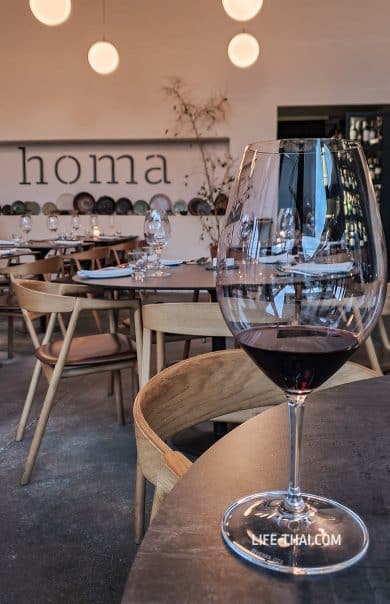 Belgrade has always been famous for its incredible food scene, which has now been officially recognized by the Michelin Guide and Gault&Millau.
Don’t let the word “Michelin” scare your wallet—the recommended restaurants in Belgrade are surprisingly affordable compared to Western Europe. What I love most is how local chefs reimagine traditional winter comfort food. For example, you can try sarma (cabbage rolls) served under a beer foam at Salon 1905, or burek with black truffle at Homa.
#7. Discover winter taste of Serbian cuisine
Winter in Serbia is deeply connected to Orthodox fasting traditions. Many locals fast in the weeks leading up to Christmas and ahead of major family patron saint days (Slava) in December. Because of this, winter is surprisingly one of the best times for vegetarians and vegans to visit! You will find a huge variety of posno (fasting, meaning dairy-free and meat-free) options everywhere. Restaurants, traditional cafeterias (kuvana hrana), and local bakeries (pekare) introduce special posno menus packed with plant-based pastries, beans, and fish dishes. But the absolute highlight of the season for me is dimljeni šaran (smoked carp) — a rich, flavorful delicacy that is exclusively a winter specialty and a must-try for any foodie. Another serbian winter specailty must to try is peglana kobasica (ironed sausage from Pirot). I will tell about it more later.
To top it off, winter is the official season for tursija and zimnica — a traditional winter stash of homemade pickled and marinated vegetables that perfectly complements any meal.

As you can see, I love Serbian cuisine. I have already published 2 food guides:
- Serbian Cuisine Explained: A Complete Guide to Traditional Food, Regions & Street Food
- 15 Serbian Dishes You Absolutely Must Try
#8. Drink Kuvano Vino (Mulled Wine) at Christmas market
Kuvano vino is the Serbian version of mulled wine. You can buy a steaming cup at any nighttime Christmas market or local kafana. You should also definitely try kuvana rakija (hot rakija)—it will warm you up instantly!
Taste traditional Christmas market food, but remember that most outdoor stalls are cash only (Serbian Dinars).


#9. Let loose in Belgrade’s legendary clubs
Belgrade is often called the “Berlin of the Balkans” for a reason. Winter doesn’t stop the nightlife here. Famous European DJs perform at industrial venues like Hangar, Drugstore, and Karmakoma. If you prefer bar-hopping, head to Cetinjska Street, a former brewery turned into a hipster district packed with unique bars (like Zappa Bar or Zaokret).
#10. Go on a shopping spree (and get a Tax Refund)
Winter is the traditional season for massive sales. Plus, Serbia participates in the Global Blue Tax-Free program, meaning you can get a VAT refund at the airport when you leave (read my guide on how to do it here).
The best modern shopping malls in Belgrade are Galerija Belgrade (the largest in the region, 📌 map) and Ušće. Don’t forget to bring your passport to the mall to fill out the Tax-Free forms.
#11. Hide from the cold in a museum
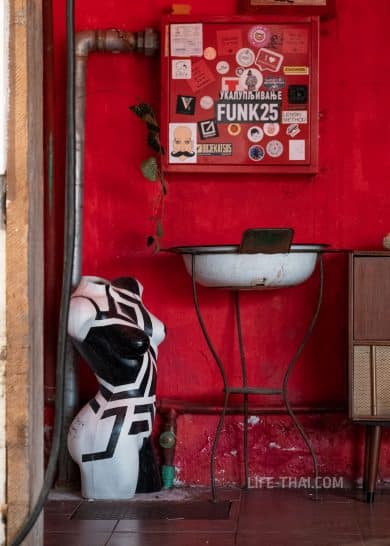
Visiting a museum is the best way to spend time when is raining or the Košava wind is howling outside. Belgrade has an incredible array of exhibitions, from classic art to interactive science and even Tito’s personal luxury Blue Train.
I’ve recently published a massive, detailed guide to the Top 18 Museums in Belgrade. Be sure to check it out for ticket prices, free entry days, and insider tips on how to avoid the huge queues at the Nikola Tesla Museum!
#12. See hundreds of owls in the city of Kikinda
Yes, you read that right. The northern Serbian city of Kikinda is the world’s largest wintering ground for long-eared owls. From November to March, hundreds of owls sleep in the trees right in the city center. You can literally walk through the main square and spot them in the bare branches above you. I’ve written more about this amazing phenomenon in my article about Kikinda →


Winter Festivals: 3 New Years, Božić, and Christmas Markets
In Serbia, the winter holidays seem to last forever. The festive season kicks off in December with Christmas markets and runs all the way through mid-January, thanks to the Julian calendar.
Christmas Markets & New Year’s in Serbia
From early December, Belgrade and Novi Sad light up with beautiful winter festivals like “Zimska Bajka” or Winter Fairy Tale in Belgrade Waterfront. You can skate on outdoor ice rinks, buy souvenirs, and drink hot rakija.
Serbia technically celebrates three New Years: the standard New Year (December 31), the Serbian/Orthodox New Year (January 13), and the Chinese New Year. Belgrade hosts a beautiful Chinese Lantern Festival for two weeks.
Serbian Božić (Orthodox Christmas)
The most important winter holiday for Serbs is Božić (Christmas), celebrated on January 7th. It is preceded by Badnji Dan (Christmas Eve) on January 6th.
If you are in Belgrade on the evening of January 6th, head to the magnificent St. Sava Temple. Thousands of locals gather there to witness the traditional burning of the badnjak (huge oak branches) in a massive bonfire outside the church. It is a powerful, spiritual, and uniquely Serbian experience you shouldn’t miss!


Traditional Christmas ride (Božićna vožnja)
Next day after Orthodox Christmas there are Traditional Christmas ride (Božićna vožnja) in serbian cities for example in Čačak or Pančevo. It is a festive convoy of tractors, trucks, and cars driving through the towns with loud honking to celebrate the holiday. Streets are full of people carrying Serbian flags and lighting flares. It looks absolutely crazy and is definitely worth seeing. Here are some photos I took during the Božićna vožnja in Čačak:


Winter food festivals
In addition to these holidays, small themed festivals are held in Serbian cities. For example, the Peglane Kobasice Festival is a festival celebrating a unique type of sausage in the city of Pirot, held at the end of January. In February, there are the Kobasicada and Slaniniada, and in March, the Pršutiada. By the way, March is still considered winter in Serbia.