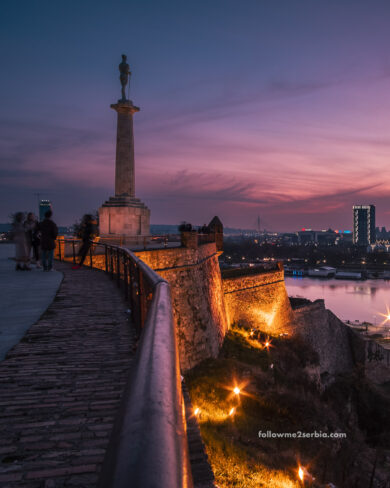
 “Where is Belgrade, and what country is it in?” That is usually the very first question that pops up when someone starts planning a trip to the Balkans. Belgrade, the capital of Serbia, is a city with incredible energy—a place where I’ve lived for several years now and know inside out. If you are planning your first independent trip to Belgrade, you’ve landed on the right page. In this travel guide, I’ve gathered all my local insider experience to make sure your vacation in Serbia goes seamlessly: from entry requirements and currency exchange to choosing the best neighborhood to stay in. This detailed Belgrade guide answers every practical question and helps you plan your trip effortlessly, without stress or unwelcome surprises.
- Visiting Belgrade for the First Time – What You Need to Know
- Where to Stay in Belgrade as a Tourist: The Best Neighborhoods
- Is Belgrade Safe?
- When Is the Best Time to Visit Belgrade?
- How Much Does a Trip to Belgrade Cost in 2026?
- Getting Around Belgrade: Everything You Need to Know
- Food Scene: Where to Eat Well in Belgrade 🍔
- Belgrade Nightlife
- 11 Must-Do Experiences for First-Time Visitors to Belgrade
- Shopping in Belgrade: The Best Malls and Outlets
- Budget Travel in Belgrade: How to See the City Without Breaking the Bank
- Frequently Asked Questions About Belgrade
Visiting Belgrade for the First Time – What You Need to Know
So, you’re traveling to Belgrade on your own. Whatever your reason—a getaway, sightseeing, relocation, or medical travel—here is what you should know before visiting Belgrade for the first time. The key essentials in a nutshell:
- Belgrade is visa-free for many travelers. Citizens of most countries can stay in Serbia visa-free for up to 30 days (or 90 days, depending on your passport). The one crucial requirement is registering with the local police within 24 hours of arrival to get your “white card” (beli karton) (hotels and registered rental apartments handle this registration for you automatically). Read more about Serbia’s entry regulations →
- The currency in Belgrade, as across all of Serbia, is the Serbian dinar (RSD). It’s best to travel to Belgrade with cash Euros or US Dollars. You can exchange them for dinars at great rates at any currency exchange booth, locally called a “Menjačnica” (Мењачница). Visa and Mastercard are widely accepted in Belgrade, but Russian-issued bank cards, including UnionPay and MIR, do not work with Serbian payment systems. Read more about money in Serbia and where to exchange currency →
- The official language is Serbian, but locals speak English very well. There are plenty of English-speaking guides around, mostly offering private tours.
- Power outlets in Belgrade are standard European plugs (types C and F). If your devices use European round two-prong plugs, you won’t need to bring any extra adapters from home.
- A tourist SIM card with mobile data (prepaid tourist packages) can be purchased right at the airport upon arrival or picked up at official carrier shops: MTS, Yettel, or A1. Alternatively, you can set up an eSIM from Yesim in advance. That option is especially handy if you plan to explore other Balkan countries too, like Montenegro or Bosnia and Herzegovina.


Here is my checklist of where to start your trip planning for Belgrade:
- Book your flights. The easiest way to get to Belgrade is by flying. Belgrade’s main hub is Nikola Tesla Airport (BEG)—search for flights landing here. Many European low-cost airlines fly into Belgrade, and Serbia’s national carrier, Air Serbia, regularly adds new international routes. That said, direct flights from certain destinations can get quite expensive. A great workaround is taking a connecting flight or flying into Niš Airport and traveling from there to Belgrade by bus or private transfer (about a 2-hour ride; check out my detailed guide). I’ve also put together an in-depth guide on “How to Get to Serbia Right Now”—read through it to pick the most convenient route for you.
- Plan your transfer from the airport to your hotel. I’ve written two step-by-step guides covering this: how to get from Belgrade Airport to the city center and how to get from Niš Airport. If you’re arriving in Belgrade for the first time, I strongly recommend pre-booking a transfer via GetTransfer so you can skip the stress of haggling with airport cabbies.
- Book your accommodation. Belgrade has an excellent selection of places to stay: from daily vacation rentals, budget hostels, and cozy guesthouses to gorgeous luxury hotels. But one golden rule applies to all of them: book your stay well ahead of time. Belgrade hosts numerous sports championships, concerts, and major cultural events that attract crowds from across Serbia and neighboring countries. This is especially true during the summer season. Almost all accommodations in Serbia can be booked via Booking.com without upfront payment, and you simply settle the bill at check-in with cash or a credit card.
- Get travel insurance. Travel medical insurance is not strictly checked upon entry in Serbia, so many visitors try to cut corners. I strongly recommend taking out travel insurance before visiting Belgrade: it costs very little, and if anything unexpected comes up, you won’t have to waste time digging through forums and group chats looking for an English-speaking clinic.
- Bring your spending money. How much cash should you budget for Belgrade? Plan for at least 50 € per person per day in 2026. That will comfortably cover meals, museum tickets, and local transportation. Sightseeing day trips and nightlife should be budgeted separately. I’ll break down the complete travel budget in detail below.
Where to Stay in Belgrade as a Tourist: The Best Neighborhoods
Belgrade has so many different sides, and picking the right neighborhood truly sets the vibe for your trip. I won’t be diving into far-flung residential suburbs like Banovo Brdo, Zvezdara, Autokomanda, or Karaburma—those are really only worth considering if you’re settling in Serbia’s capital for a month or two. So, here is my curated list of the best Belgrade neighborhoods for tourists staying anywhere from a day or two to a couple of weeks:
Stari Grad and Dorćol
Stari Grad and Dorćol make up the historic heart of the Serbian capital. Dorćol is Belgrade’s oldest, coziest, and trendiest hipster district, packed with top-notch specialty coffee shops, concept stores, charming cobblestone alleys, fantastic restaurants, intimate bars, and creative cultural hubs like Dorćol Platz. From here, you can easily walk to Knez Mihailova pedestrian street, Kalemegdan Fortress*, and the bustling Beton Hala riverfront promenade along the Sava River. Stari Grad (Old Town) is the quintessential city center, brimming with grand historic buildings, museums, cafes, and of course, Kalemegdan.
*Fun fact: Kalemegdan is actually the park surrounding the fortress, while the fortress itself is officially called the Belgrade Fortress (Beogradska tvrđava).


For travelers visiting Belgrade for 1 to 3 days, I always recommend choosing either Stari Grad or Dorćol. They’re equally great bases for a week-long stay. Here are a few well-reviewed, highly rated accommodations in fantastic locations around Stari Grad:
- Parlament Apartment — apartments in a stunning location right behind the National Assembly of Serbia (Skupština). Friends of mine stayed here and were thrilled with their choice.
- Sanja Old Town Apartment
- Kopernikus Hotel Prag 4*
- Hotel Balkan 4*
- Belgrade Inn Garni Hotel 4* — features private on-site parking in the city center, breakfast, a spa, and a fitness room.
- You can browse all tourist accommodations in Stari Grad and Dorćol via this link →
Skadarlija
Skadarlija is Belgrade’s bohemian quarter and another top recommendation of mine, especially for younger travelers and anyone who thrives on vibrant nightlife. Skadarlija sits right next to Knez Mihailova, but the real highlight nearby is Cetinjska Street—often dubbed Belgrade’s mini Berlin. It’s one of the hottest hubs for alternative nightlife and youth culture in the city. Accommodations in Skadarlija tend to book out early, but Stari Grad and Dorćol are just a stone’s throw away as handy alternatives:


Vračar
Vračar is an upscale, leafy, and cultured neighborhood. It’s home to Serbia’s most iconic landmark: the majestic Church of Saint Sava, one of the largest Orthodox temples in the world. The area is filled with excellent contemporary dining, cozy wine bars, the famous Kalenić green market, and third-wave specialty coffee spots. Reaching the city center from Vračar via public transit is quick and easy, and from certain pockets, you can walk there on foot in just 15–20 minutes. Here are a few conveniently located places to stay (all close to transit stops, cafes, and restaurants):
- City Center Lovely Apartment 3*
- Prime Hotel Apartmani 4* — an affordable hotel with breakfast where friends of mine have stayed several times. It’s slightly farther from the center, but it offers on-site private parking—a rare luxury in Vračar.
- Tesla View Apartment 3*
- Marquise Hotel Garni 4*
- Mercure Belgrade Excelsior 4* — prime location within easy walking distance of downtown, cafes, museums, and public transport.
- All hotels and apartments in Vračar are collected on this Booking.com page →


Belgrade Waterfront (Beograd na Vodi)
Belgrade Waterfront (Beograd na Vodi) is a sleek, modern development right along the banks of the Sava River, anchored by the Galerija shopping mall. It’s packed with stylish vacation rentals, playgrounds, outdoor sports courts, cycling lanes, and direct access to the river promenade with its bustling cafes and restaurants. However, unlike Belgrade’s older neighborhoods like Vračar, Skadarlija, Palilula, or Zemun, you won’t find a traditional pijaca (an open-air farmers’ market selling fresh local fruit, vegetables, and cured meats) here. Instead, your grocery run will be at the large Maxi supermarket inside Galerija. The signature landmark here is Kula Belgrade (Belgrade Tower), currently the tallest building in Serbia. Reaching the Belgrade Fortress takes about 20 minutes on foot. It has become a real favorite among travelers, and in my view, it’s a great base for families with kids. That said, there is one key catch when searching for apartments here, which I’ll explain right below. Take a look at Belgrade Waterfront in photos:


Zemun
Zemun was once a separate Austro-Hungarian border town before eventually merging into Belgrade. It showcases completely different architecture—terracotta roofs, cobblestone lanes, old-world Central European charm, and picture-postcard views from Gardoš Tower. Zemun is a bit of a trek from the city center. Personally, I love coming here for a scenic stroll, an afternoon coffee, or a fresh Danube fish dinner. But if you’re visiting Belgrade for just a few days, staying in Zemun isn’t ideal—you’ll end up spending far too much time commuting instead of exploring the city. You can browse all tourist apartments in Zemun on this page →
New Belgrade (Novi Beograd)
New Belgrade (Novi Beograd) is a realm of dramatic socialist brutalism, wide tree-lined boulevards, and contemporary business parks across the Sava River. Staying here makes the most sense if you’re in town for a concert at Sava Centar, an outdoor festival in Ušće Park, or a sporting event—like a EuroLeague basketball clash at the Belgrade Arena (Beogradska arena). Hotels and apartments in New Belgrade →


Is Belgrade Safe?
Belgrade is widely recognized as one of the safest major cities in Europe. If you’re wondering whether it’s safe to walk around Belgrade at night, the answer is an emphatic yes. Street aggression is virtually nonexistent, and violent crime rates are exceptionally low. Even late at night in quiet residential areas or wandering through the historic center, solo travelers feel completely at ease.
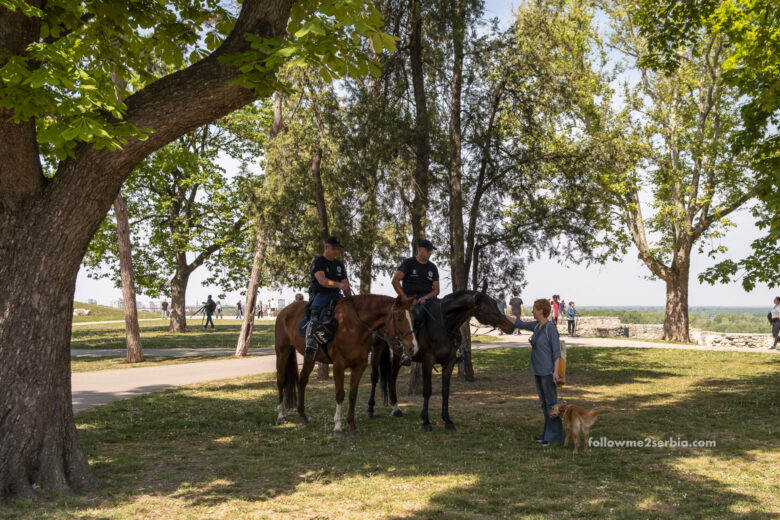
You’ll also love how genuinely welcoming locals are toward travelers — hospitality here is traditionally very warm, friendly, and sincere. Serbs are always eager to point you in the right direction, lend a helping hand, and chat, while the city’s atmosphere is wonderfully relaxed (locally known as polako—slowly, take it easy).
For solo female travelers, Belgrade is 100% safe. Before relocating to Serbia, I visited Belgrade on my own several times for 5 to 7 days just to get a feel for the city and see if it was the right fit for me.
Still, a few basic, common-sense precautions are always worth keeping in mind:
- Pickpockets — in recent years, with the growing influx of tourists, pickpockets have become more active on crowded public transit (especially bus #72 from the airport and the #2 heritage tram loop) and at busy outdoor markets. Keep your bags securely zipped and never leave your belongings unattended in popular tourist spots.
- Unlicensed (“wild”) taxis — at the airport and outside late-night clubs, never get into cars with drivers aggressively soliciting rides in the terminal. Always use the official Taxi Info desk inside the airport arrivals hall (to grab a fixed-rate voucher) or rely on trusted taxi apps (CarGo, Pink Taxi, Naxis Taxi).
❌ Things Tourists Should Avoid Doing in Serbia
A few essential rules and cultural taboos to ensure your trip goes smoothly:
- Do not join rallies or protests. Organizers announce the locations and times of demonstrations well in advance, and public transit in the area is usually suspended. Simply steer clear of these zones.
- Do not photograph military or government installations, or police cordons, especially where no-photography signs are displayed.
- Avoid bringing up sensitive topics like the 1990s Yugoslav Wars and NATO bombings in casual conversations—for locals, this remains a deep and painful personal memory.
When Is the Best Time to Visit Belgrade?
- Spring and Autumn (April–May / September–October) — my personal favorite and hands-down the ideal time to visit Belgrade. In spring, the city bursts into bloom—magnolias, wisteria, tulips, and cherry blossoms everywhere. Temperatures are pleasantly warm (+20…24°C), the streets are lush with greenery or painted in golden autumn shades, outdoor cafe terraces are buzzing, and strolling along the promenades is pure bliss.
- Summer (July–August) — it can get seriously hot (regularly climbing to +38°C, and reaching +40°C in recent summers). In the middle of the day, city life slows to a crawl as locals escape to the beaches of Ada Ciganlija river island or unwind in leafy courtyard cafes. Summer in Belgrade is packed with music festivals, open-air parties, and outdoor concerts. Rooftop and park cinemas pop up across town, public pools host night swimming sessions, and the city organizes the fun, family-friendly “Belgrade Summer” (Beogradsko leto) festival in Kalemegdan Park.
- Winter (December–February) — prime season for budget travel and shopping. Accommodation rates dip, and you won’t encounter tourist crowds. In January, the city is beautifully illuminated for New Year and Orthodox Christmas, and you can always warm up with a steaming mug of Balkan mulled wine (kuvano vino) or fragrant rakija. The notable exception is the Orthodox holiday period: around Christmas (the Serbian celebrations of Badnji dan, Badnje veče, and Božić), many visitors flock to the capital. Christmas is the pinnacle winter celebration for Serbs. You can find more about winter in Belgrade in my separate guide Belgrade in Winter: Best Things to Do | Related reading: Serbia in Winter: What to See and Do


How Much Does a Trip to Belgrade Cost in 2026?
Belgrade remains one of Europe’s most affordable capitals, even though prices have been creeping up in recent years.
It all depends on how long you stay—whether a quick three-day weekend or a full week—and your travel style. I recommend budgeting at least 50 € per day per person. Don’t let that number scare you: you won’t necessarily spend all 50 € every single day, but it’s always better to have a little buffer than to find yourself short on cash in Belgrade.
Please note that resorts and cities across Serbia charge a local municipal fee—the tourist tax (boravišna taksa). In Belgrade in 2026, it is 160 RSD (1.36 €) per person per night. In most cases, hotels and Airbnb hosts include this directly in your final booking total.
Sample prices in Belgrade to help plan your budget:
- Official taxi from the airport to downtown (with a fixed-rate voucher from the terminal desk): around 3000 RSD (25.52 €). How to get from Belgrade airport to your hotel without overpaying →
- Dorm bed in a stylish central hostel: from 15–20 €/night.
- Apartment for two in the Old Town: from 40–60 €/night.
- Public transit ride (bus, tram, trolleybus): free.
- Group walking tour of the Kalemegdan Fortress: 15–20 €.
Belgrade’s food prices in 2026 will delight any foodie:
- A hefty slice of burek (traditional flaky pastry filled with minced meat or cheese) at a local pekara (bakery): 150–200 RSD (1.28–1.70 €). The quintessential hearty breakfast!
- A slice of local street-style pizza or a pljeskavica burger from a street kiosk: 250–350 RSD (2.13–2.98 €).
- Espresso: 1.5–2 €.
- Latte in a specialty coffee shop: 3–4 €, plant-based milk: +0.5–1.2 €.
- A hearty, homestyle lunch for one at a traditional ready-made food spot (kuvana hrana): 800–1200 RSD (6.80–10.21 €).
- Dinner for one at an authentic Serbian kafana with a glass of wine: 1800–2500 RSD (15.31–21.26 €).
- Average restaurant main dish: 7–15 €.
- Dinner for two at a Michelin-listed restaurant: from 100 €.
A comprehensive breakdown of prices in Serbia and how much cash to bring along in 2026 via this link →
Getting Around Belgrade: Everything You Need to Know

Belgrade’s transit network includes standard buses, electric buses, trolleybuses, trams, and taxis.
The biggest takeaway: all public transportation in Belgrade—apart from taxis and a few private minibuses—is completely free.
For intercity trips across the country from Belgrade, you can take buses or trains. In addition to standard regional trains (Re), there are express trains and the sleek, high-speed “Soko” train. Bicycles are allowed on all trains, albeit with certain restrictions. Trains are by far the most convenient way to explore Vojvodina (cities like Novi Sad, Subotica, Vršac, and others). Moreover, you can now catch a train from Belgrade all the way to Horgoš and Budapest (Hungary), connecting onward to Vienna (Austria). I’ve covered all the routes, schedules, and quirks of the rail system in my guide to “Getting around Serbia“.
As for renting a car in Belgrade, I’ve broken down everything you need to know in a dedicated rental guide—covering required documents, parking zones, driving culture, and local road rules.
Food Scene: Where to Eat Well in Belgrade 🍔
Serbian cuisine revolves around a serious meat-loving culture. You absolutely must try pljeskavica (a giant spiced grilled patty), ćevapi (grilled minced-meat fingers), and kajmak (a rich, creamy clotted dairy spread). Belgrade is packed with fantastic dining spots: some are featured in the Michelin Guide (red plaques), while others boast Gault & Millau recognition (yellow plaques). You could easily write an entire encyclopedia on eating out here, but here are my top insider tips:
- For authentic old-world charm, live tamburica musicians, and traditional feast fare, head straight to the cobblestone bohemian quarter of Skadarlija and grab a table at classic kafanas like “Tri Šešira” (Three Hats), “Zavičaj Skadarlija,” or “Dva Bela Goluba” (Two White Doves).
- For unbeatable street food—mouthwatering ćevapi and massive pljeskavicas served in warm, pillowy lepinja flatbread—make a beeline for legendary joints like “Loki” or “Walter.” Don’t miss out on Belgrade-style pizza at “Bucko,” where locals famously top their slices with scoops of Olivier salad (known locally as “ruska salata”).
- Hunting for world-class Neapolitan pizza? Check out Pietra (location), Majstor & Margarita (location), or Pizzeria Di Karpuzzi (location). All three have earned spots on international best-pizzeria lists.
- If you crave chic dining and modern European/Balkan fusion, book a table at the waterfront restaurant strip along Beton Hala right on the Sava riverbank.
- For the freshest seafood and river fish, head out to Zemun’s riverside promenade. Restaurant Venecija (location) is a classic pick—order their hobotnica ispod sača (slow-braised tender octopus cooked under a traditional bell).
- If you’re watching your budget, look for “Kuvana hrana” cafeterias serving affordable, wholesome home cooking, or pop into local pekare (bakeries) for piping-hot bureks and savory pitas. The popular bakery chain “Skroz dobra pekara” offers prepared hot meals you can either take away or enjoy sitting down.
- Do not leave without sampling artisan gelato at “Crna Ovca” (Black Sheep) or “LUFF”—widely recognized as Belgrade’s finest gelaterias. And if you’re feeling adventurous, try scoops infused with plum rakija or savory ajvar at Zemunska Poslastičarnica (location).
Belgrade Nightlife
Belgrade has earned a well-deserved reputation as one of Europe’s undisputed nightlife capitals, and it lives up to the hype. All year round, the city buzzes with high-energy parties featuring resident talents alongside world-famous European DJs, global electronic and rock headliners, and Balkan superstars.
Much of the city’s old industrial architecture has been transformed into sprawling music and cultural hubs—with climate-controlled indoor warehouses for winter and open-air courtyards for balmy summer nights. Some of the most iconic venues include Drugstore, Karmakoma, Hangar, Luka Beograd open-air corner, and New Tekstil Plato. A special shout-out goes to Zappa Barka, a floating river club (splav) hosting live gigs spanning rock, indie, alternative, and metal.
For bar-hopping, the pulse of the alternative scene is Cetinjska Street, affectionately nicknamed Belgrade’s “mini-Berlin.”
11 Must-Do Experiences for First-Time Visitors to Belgrade
Belgrade is like a treasure chest that never runs empty. The city is packed with so many sights and layers of history that choosing where to begin can be a genuine challenge. You can simply wander the character-filled streets, admire the skyline from the water on a Sava River sightseeing cruise, embark on a museum marathon or pub crawl, or enjoy brutalist architecture of Novi Belgrade… There are some more ideas:
- Catch the sunset from the ancient ramparts of Belgrade Fortress (Kalemegdan), watching the golden hour reflect over the confluence of the Sava and Danube rivers.
- Take a slow, atmospheric stroll down Knez Mihailova, the bustling pedestrian spine stretching from Republic Square.
- Hop aboard vintage Tram #2 for the famous “Krug Dvojke” (Circle of Two) scenic loop around central Belgrade.
- Step inside the monumental Church of Saint Sava in Vračar and gaze up at its breathtaking sea of gold mosaic work.
- Enjoy an unhurried dinner accompanied by live acoustic Balkan folk music at a historic kafana along cobbled Skadarlija.
- Start your morning like a true local: fresh, crispy burek paired with thick drinking yogurt from a neighborhood pekara.
- Take a day trip to Zemun, climb the historic Gardoš Millennium Tower for postcard-worthy panoramic views of terracotta rooftops, and feed the mute swans along the Danube.
- Visit the hands-on Nikola Tesla Museum and volunteer to hold glowing neon tubes during live wireless electricity demonstrations.
- Rent a bicycle and ride along the scenic two-river route — starting from the 25. Maj promenade in Dorćol on the Danube, all the way to “Belgrade’s Sea” on the Sava River: the lush island peninsula of Ada Ciganlija.
- Marvel at the modern skyline transformation along the sleek promenade of Belgrade Waterfront (Beograd na Vodi), then ride up to the observation deck atop the Kula Belgrade skyscraper.
- Set sail on a sunset river cruise along the Sava and Danube to admire the silhouette of the Old Town glowing from the water.
How to visit underground Belgrade
You cannot enter Belgrade’s underground bunkers directly off the street — they are accessible only as part of guided groups. The easiest way to explore these subterranean sites is by joining the popular Underground Belgrade Tour with Wine (in English). It’s one of the top-rated tours in Serbia’s capital. A guide will lead you through secret bunkers and wells, concluding with a tasting of Serbian wine right inside one of the caverns.
I regularly update detailed guides and curated itineraries:
- Top 20 Places to Visit in Belgrade to Truly Understand the City
- Belgrade Museum Guide: From World-Class Art to Secret Underground Bunkers
Shopping in Belgrade: The Best Malls and Outlets
Practically every district in Serbia’s capital has its own shopping mall, but only a handful are truly worth a visitor’s time. Here are the top shopping destinations in Belgrade:
- Galerija Belgrade (📌 on Google Maps) — The largest shopping and entertainment center in both Belgrade and all of Serbia. Galerija is a gleaming, modern mega-mall packed with global high-street names, Serbian designer boutiques, jewelry stores, and waterfront dining. Whenever I need to shop for clothing, shoes, or athletic gear, Galerija is my go-to—it carries many exclusive brands you simply won’t find anywhere else in the city.

- UŠĆE Shopping Center (📌 on Google Maps) — A major, ultra-popular mall located right across from the Museum of Contemporary Art in New Belgrade, making it easy to combine retail therapy with a dose of modern culture. Ušće houses Zara, Zara Home, and Massimo Dutti, though you won’t find Peek & Cloppenburg or Reserved here.
- BEO Shopping Center (📌 on Google Maps) — A pleasant, airy mall showcasing both international and domestic Serbian brands. It’s particularly great for footwear, sportswear, consumer electronics, and kids’ gear. It features Peek & Cloppenburg and Reserved, but no Zara.
- Rajićeva Shopping Center (📌 on Google Maps) — An upscale boutique mall sitting right in the historic core at the end of Knez Mihailova. If you’re after premium sneakers or athletic apparel, check out Đak Sport on the lower basement level—they frequently run steep discounts on Salomon, Adidas, and Nike, and they’re the exclusive stockist for NNormal trail-running gear in Serbia. Pro tip: Make sure to head up to Mama Shelter on the rooftop for coffee or a cocktail on their open terrace overlooking the rooftops.

- BIG Fashion (📌 on Google Maps) — Located in Karaburma (a fair bit outside the center), sitting right next to a massive Decathlon sports hypermarket and several home decor stores.
- Delta City (📌 on Google Maps) — A well-known shopping center in New Belgrade that frequently pops up in top-three lists according to online reviews, though personally, it’s not my favorite spot to browse.
Looking for serious bargains? Head out of town to the large open-air Big Fashion Outlet in the town of Inđija (located here), where you’ll find great outlet discounts. It’s an easy drive by car or a quick hop on a regional suburban bus.
📌 What Souvenirs and Gifts to Bring Back from Serbia?
If you love to shop, don’t forget to use the Global Blue Tax Free service to claim back your VAT when departing Serbia. I’ve written a step-by-step walkthrough via this link →
Budget Travel in Belgrade: How to See the City Without Breaking the Bank
One of the biggest expenses when visiting Belgrade is admission tickets to museums and sights. The best way to save on entrance fees is to get the Belgrade City Pass (Belgrade e-Pass).
Here are a few more tips to keep your travel budget in check:
- Like many European capitals, Belgrade offers free walking tours in English led by local guides. For example, check out this Belgrade walking tour → At the end of the tour, you can tip the guide whatever you feel like, or simply say “thank you.”
- Belgrade’s museums offer free admission on the last Saturday of every month, while the Museum of Contemporary Art is free on the first Wednesday of the month. Read more →
- The Belgrade e-Pass city card lets you save significantly on entry tickets to top sights. You can check the details and current prices via this link →
- If you park your car at one of the municipal parking garages (Parking Servis), you can borrow a bicycle for free.
- If you love shopping, use the Global Blue (Tax Free) system to claim a VAT refund on your purchases when leaving Serbia. I wrote a detailed step-by-step guide at this link →
- Use free public transport instead of taxis—while it isn’t flawless, it will save you a decent amount of money.
- Eat at ready-made food cafeterias (kuvana hrana or gotova jela). Large Maxi supermarkets also feature hot food counters with prepared meals.